
Remedial Building Work
Remedial building work restores damaged or failing structures by addressing defects, water ingress, movement, cracks, and material deterioration. High-quality remediation ensures safer buildings, stronger performance, and better long-term value. These repairs protect residential, commercial, and industrial assets across NSW and help prevent more serious structural failures in the future.
Key Areas of Remedial Building Work
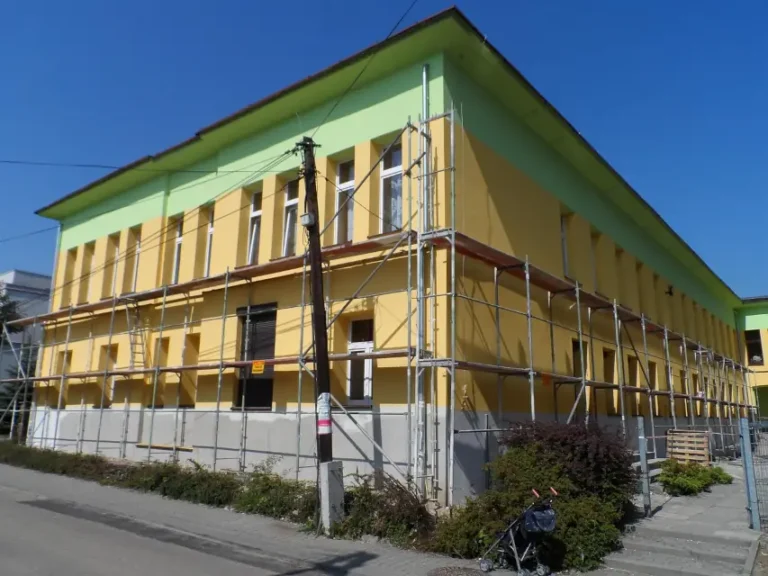
Remedial building work focuses on identifying, addressing and rectifying defects that compromise the safety, durability and performance of existing buildings. These works are critical for ageing assets and structures affected by construction defects, environmental exposure or inadequate maintenance. Properly planned remediation restores structural integrity while ensuring ongoing compliance with NSW regulations and Australian Standards.
Key areas of remedial building work include:
- Concrete repair and spalling remediation to address concrete cancer, delamination and reinforcement corrosion
- Façade upgrades and repairs to improve safety, weather resistance and compliance
- Waterproofing restoration to stop water ingress and prevent further structural deterioration
- Crack stitching and structural crack repair to stabilise walls, slabs and load bearing elements
- Corrosion treatment and protective systems to extend the service life of reinforced concrete
- Structural repair and strengthening works to restore load capacity and stability
Each remedial service targets specific failure mechanisms within a building to restore stability, improve regulatory compliance and enhance long term durability. Early defect identification, combined with engineered remediation strategies, significantly reduces repair costs, safety risks and disruption for building owners, strata managers and occupants while protecting long term asset value.
How SCE Corp Delivers Effective Remediation and Structural Repair
SCE Corp delivers effective remedial building work through a structured, engineering led approach that focuses on safety, durability and regulatory compliance. Every remediation project begins with thorough engineering assessments and condition investigations to identify the root causes of structural distress, material deterioration or water ingress. This ensures repair solutions address underlying failures rather than temporary surface symptoms.
Our remediation and structural repair process includes:
- Detailed structural assessments and defect investigations to understand load paths, failure mechanisms and safety risks
- Risk reviews and engineering design input to select appropriate, long term remediation strategies
- Quality driven repair methodologies aligned with Australian Standards and best practice engineering principles
- Compliant construction and repair works delivered under strict inspection, testing and verification controls
- Documentation and accountability in accordance with DBP Act NSW requirements
Through DBP Act aligned processes, certified quality systems and disciplined construction oversight, SCE Corp ensures remediation and structural repair works restore structural capacity, extend the building’s service life and deliver long lasting performance. This approach reduces future maintenance risk and provides building owners, strata managers and asset managers with confidence that remediation works are safe, compliant and built to endure.
Frequently Asked Questions
1. What is remedial building work and why is it important?
Remedial building work refers to repairs and restoration efforts aimed at addressing issues like structural damage, water ingress, cracks and material deterioration. These repairs are essential for maintaining building safety, performance and longevity. Proper remediation ensures that buildings remain strong, safe and compliant with relevant standards.
For further information please refer to remedial building work, structural repair, building remediation.
2. What types of issues are addressed by remedial building work?
Remedial building work addresses various issues, including cracks, movement in the structure, water ingress, corrosion and deteriorating materials. These problems can compromise the stability and safety of a building, making timely remediation crucial to prevent further damage and costly repairs down the line.
For further information please refer to remedial building work, structural repair, building remediation.
3. How does structural repair fit into remedial building work?
Structural repair is a key part of remedial building work. It involves restoring the integrity of the building’s foundation, walls and other load bearing elements. Structural repairs help to stabilize the building, prevent further damage and extend its useful life, ensuring it remains safe and functional.
For further information please refer to remedial building work, structural repair, building remediation.
4. What is the role of concrete repair in remediation process for building?
Concrete repair is often a central aspect of building remediation. It involves fixing cracks, spalling and other forms of damage to concrete structures. Effective concrete repair restores the strength and stability of the building, preventing water ingress and further deterioration, which can compromise the structure.
For further information please refer to remedial building work, structural repair, building remediation.
5. What is crack stitching and why is it used in remedial building work?
Crack stitching is a technique used in remedial building work to repair cracks in walls and other structural elements. It involves inserting stainless steel bars into the cracks and bonding them with a special grout, restoring the strength and stability of the wall. Crack stitching is an effective solution for preventing further movement and ensuring the long term durability of the structure.
For further information please refer to remedial building work, structural repair, building remediation.
6. How does waterproofing restoration contribute to building remediation?
Waterproofing restoration is essential to prevent water from entering the building and causing damage to structural components. In remediation, this involves repairing or replacing damaged waterproofing membranes, improving drainage systems and ensuring that the building is properly sealed against moisture. Effective waterproofing restoration extends the life of the building and helps prevent issues like mould, corrosion and material deterioration.
For further information please refer to remedial building work, structural repair, building remediation.
7. What are the benefits of early detection in remedial building work?
Early detection of structural issues, such as cracks, water ingress or corrosion, allows for timely remediation, reducing the risk of major damage and expensive repairs in the future. Detecting problems early means that they can be addressed before they compromise the stability and safety of the building, resulting in lower remediation costs and minimal disruption to the occupants.
For further information please refer to remedial building work, structural repair, building remediation.
8. How does SCE Corp approach remedial building work?
SCE Corp delivers high quality remediation through comprehensive engineering assessments and risk reviews. Our team identifies structural issues, provides durable solutions and executes repairs that meet all compliance standards. We focus on restoring building stability, enhancing durability and extending the building’s life, ensuring that remediation work is effective and lasting.
For further information please refer to remedial building work, structural repair, building remediation.
9. What is corrosion treatment and why is it part of building remediation?
Corrosion treatment involves addressing the degradation of metal components within a building’s structure, such as steel reinforcements or exposed metal elements. This treatment helps prevent further corrosion, which can weaken the building’s structural integrity. In building remediation, corrosion treatment is critical for preserving the strength of the building and avoiding costly repairs in the future.
For further information please refer to remedial building work, structural repair, building remediation.
10. How does remedial building work improve the long term value of a property?
Remediation improves the long term value of a property by addressing and resolving structural issues that could otherwise compromise its stability, safety and aesthetic appeal. Well executed remediation enhances the durability and performance of the building, reducing the need for future repairs and increasing the property’s market value.
For further information please refer to remedial building work, structural repair, building remediation.
Thank you for your visit and welcome to the construction home.